(818) 783-1012 16133 Ventura Blvd Suite 1020, Encino, CA 91436

Are Schools Liable for Sports Injuries?
And Other FAQs

welcome
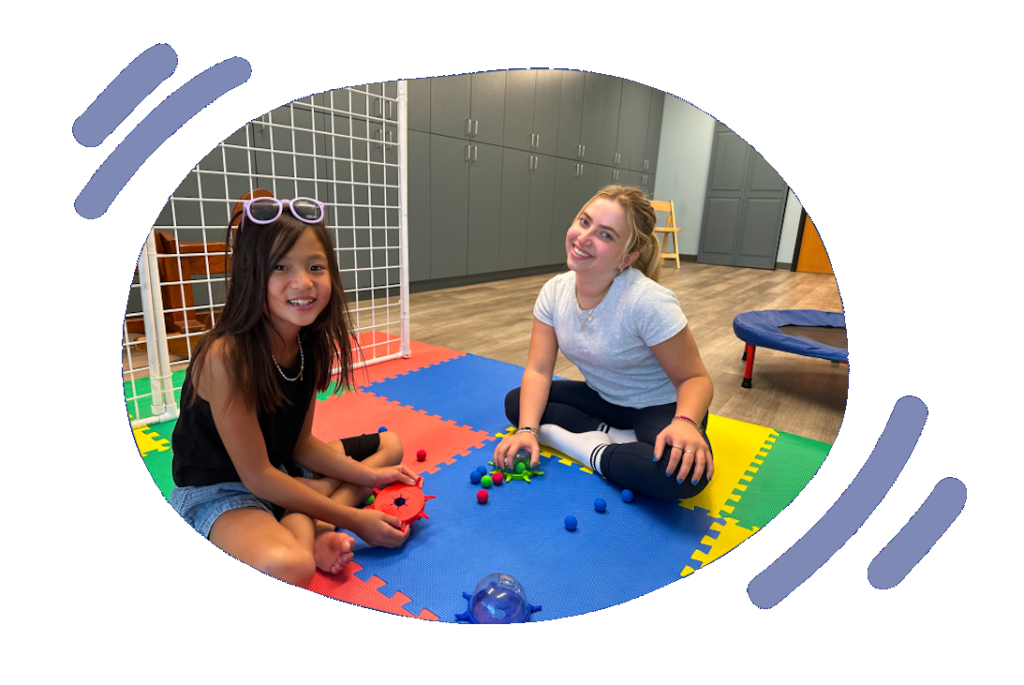
Two teenage girls are playing on the floor with rubber mats.

to our FAQ page.

Are Schools Liable for Sports Injuries?

Schools are typically not liable for sports injuries unless negligence is involved. However, each state and school district has specific policies regarding liability and insurance coverage for student-athletes. It’s important to understand the school’s insurance policy and whether they have safety measures in place to prevent injuries during physical activities.

Can a Child with Scoliosis Play Sports?

Yes, children with scoliosis can participate in sports, but it depends on the severity of the curve and any associated symptoms. Pediatric physical therapy can help strengthen muscles, improve posture, and monitor progress. Always consult with a healthcare provider before starting any sports activity to ensure it’s safe for your child.

01/11

What is Hypotonia in a Newborn?

Hypotonia, or low muscle tone, is a condition where a baby has weaker muscles and may appear “floppy” when held. It can affect movement, posture, and strength. Early intervention with pediatric physical therapy is key to improving motor development and strength. Therapy can help improve motor skills and coordination.

02/11

Can Hypertonia in Babies Be Cured?

Hypertonia, or increased muscle tone, cannot be cured, but it can be managed with early therapy. Pediatric physical therapy can help reduce tightness, improve movement, and increase flexibility. Treatment focuses on strengthening muscles and improving functional movement patterns to support your child’s development.

03/11

Will Moderate Plagiocephaly Correct Itself?

Moderate plagiocephaly (flat head syndrome) can sometimes improve with repositioning techniques and therapy, but it often requires intervention to correct the head shape. Pediatric physical therapy may include exercises to strengthen neck muscles and help reposition the head during sleep and play.

04/11

How Can You Improve Coordination?

Improving coordination involves balance training, strength exercises, and activities that promote body awareness. Pediatric physical therapy includes exercises like walking on uneven surfaces, jumping, and playing games that improve hand-eye coordination and motor planning. Consistency and patience are key!

05/11

What Are Some Helpful Exercises for Infants with Low Muscle Tone? 

Infants with low muscle tone (hypotonia) benefit from gentle exercises that help strengthen their muscles. Activities like tummy time, supported sitting, and reaching exercises are great ways to improve strength and coordination. A pediatric physical therapist can provide specific exercises to support your baby’s development.

06/11

Is Torticollis That Serious? It’s Just a Stiff Neck.

While torticollis may seem like a simple stiff neck, it can affect the entire body. Torticollis occurs when the neck muscles are tight, leading to abnormal head positioning. This can cause problems with alignment, body symmetry, and even affect balance and coordination. Pediatric physical therapy can help alleviate the tightness, improve posture, and prevent further complications by addressing the root cause of the condition.

07/11

What Can I Do If My Child Doesn’t Like Tummy Time?

Many infants resist tummy time, but it’s essential for developing strong neck, shoulder, and arm muscles. Start by making tummy time more enjoyable with toys, mirrors, or gentle encouragement. Gradually increase the time spent on their tummy as they grow stronger. If your child continues to resist tummy time, a pediatric physical therapist can offer strategies to help make this activity more comfortable and beneficial.

08/11

How Do I Know If My Child Needs Pediatric Physical Therapy?

If your child is experiencing developmental delays, has difficulty with motor skills, or has been diagnosed with a neurological or orthopedic condition, pediatric physical therapy can help. We offer a free physical therapy assessment by a pediatric therapist that will determine if therapy is needed.

09/11

How Long Does Pediatric Physical Therapy Take?

The duration of therapy varies based on your child’s needs. Some children may see progress in a few weeks, while others may require longer treatment. Typically, therapy sessions are scheduled weekly, and progress is regularly evaluated.

10/11

Why Choose Blooming Steps for Pediatric Physical Therapy?

  • Expert Care: Our team specializes in treating children with developmental delays, neurological conditions, and musculoskeletal challenges.
  • Personalized Treatment Plans: Every child receives a customized treatment plan tailored to their specific needs, ensuring the best outcomes.
  • Compassionate Support: We treat every child and family with the utmost care, fostering a supportive and welcoming environment.

11/11

Ready to Help Your Child Reach Their Full Potential? 

Created with WebWiskee Logo