Gross Motor Skills Development Through Physical Therapy


Motor skill development is crucial for children as they grow, helping them reach milestones like walking, running, and playing. At Blooming Steps Pediatric Physical Therapy, we focus on gross motor skills development, such as walking, jumping, and running. Our therapy sessions are designed to build strength, coordination, and confidence through engaging and customized treatment plans. We make the journey fun and supportive, helping children achieve their full physical potential.

The Difference Between Fine and Gross Motor Skills
Gross Motor Skills
Gross motor skills involve large muscle movements like crawling, walking, running, jumping, and climbing. These skills are key for children to achieve physical independence. At Blooming Steps, we help children improve their ability to move with ease and control through targeted, age-appropriate exercises and activities that build strength and coordination.
Fine Motor Skills
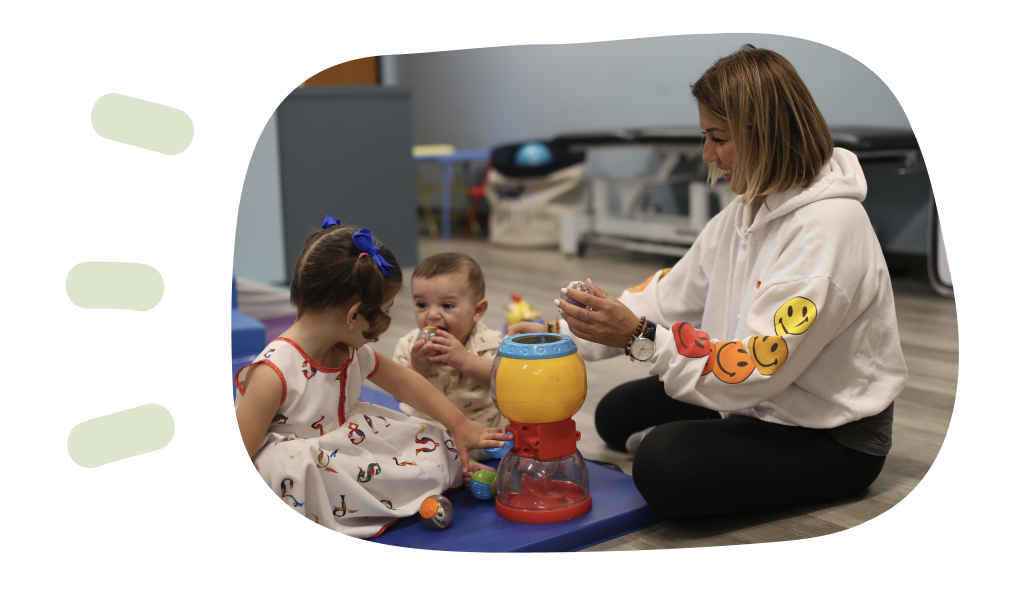
We also support play-based fine motor skill activities that enhance hand-eye coordination, finger dexterity, and hand strength. These activities are designed to encourage functional movement during play, such as gripping toys, stacking blocks, and engaging in other fun activities to improve physical function in a relaxed, natural way.
Balance & Coordination Improvement
Balance and coordination are critical components of both gross and fine motor skills.
We work on improving body awareness, posture, and movement control through exercises that support a child’s overall balance. Therapy also results in coordination improvement, enabling children to perform both everyday tasks and sports activities with greater ease and confidence.
Treatment for Hypotonia & Hypertonia

Why Muscle Tone Matters for Motor Skills
Muscle tone plays a significant role in motor skill development. Both hypertonia (increased muscle tone) and hypotonia (decreased muscle tone) can interfere with a child’s ability to move effectively, making them more prone to developmental delays. At Blooming Steps, we address these issues as part of our gross motor skills development therapy to ensure that children move more fluidly, efficiently, and safely.
Hypertonia (Increased Muscle Tone)
Hypertonia in infants and children causes stiffness and limited range of motion, which can affect movement patterns. Our therapy helps reduce tightness, improve flexibility, and enhance mobility, allowing for smoother movement and achievement of age appropriate developmental milestones.
Hypotonia (Low Muscle Tone)
Hypotonia in infants and children results in muscle weakness and instability, making coordination difficult. Our therapeutic exercises focus on muscle strengthening and coordination improvement, helping children perform better during physical activities and achieve those developmental milestones.
Torticollis & Plagiocephaly
Torticollis, a condition where the neck muscles become tight, limits neck mobility and can affect head turning, vision, and interaction with surroundings. While torticollis is known for affecting the neck muscles, it also has an effect on the entire body, specifically left vs. right side dominance. There should not be any left or right dominance in your baby for the first 2 years of a child’s life.
Plagiocephaly, or flat head syndrome, often develops alongside torticollis, creating flat spots from favoring one side. Both conditions can delay gross motor milestones like rolling, crawling, and sitting.
Our Troticollis and Plagiocephaly Therapy Approach
- Gentle torticollis stretches to improve neck mobility.
- Torticollis baby exercises and positioning techniques to encourage full range of neck movement.
- Parent education for at-home positioning and stretching routines.
- Monitoring and promotion of symmetrical movement to support age appropriate gross motor development.
Results You Can
Expect
- Improved head control and mobility.
- Prevention or correction of flat spots.
- Greater ease with rolling, crawling, sitting, and walking.
How We Help
Comprehensive Assessment
At Blooming Steps, each child’s fine and gross motor skills development is carefully assessed to identify specific needs and challenges. This includes evaluating motor skills, along with balance and coordination, to develop an individualized plan that addresses each child’s specific abilities and milestones.
Customized
Therapy Plans
We create personalized therapy plans based on the child’s assessment results, which may focus on specific developmental delays or challenges, such as clumsiness, balance issues, or difficulty reaching physical milestones. Therapy is designed to be engaging and fun to keep children motivated.
Therapeutic Techniques Used
Balance and Coordination Exercises
These exercises help children improve body control and stability. We start with simpler movements and progressively increase the difficulty to challenge and strengthen coordination.
Strengthening and Stretching Exercises
Strength and flexibility are key to supporting healthy movement patterns. We offer exercises that focus on building strength and flexibility, which helps children improve overall mobility.
Sensory Integration Therapy (SI)
Sensory integration therapy helps children with sensory processing challenges by improving how they respond to and manage sensory input, which in turn enhances motor coordination.
Pilates-Based Exercises
Pilates exercises promote core strength and flexibility. These activities enhance posture and coordination, helping children stabilize their bodies and improve balance.
Neuromuscular Rehabilitation
Neuromuscular rehabilitation retrains movement patterns and restores functional movements. It plays a key role in improving muscle control, coordination, and overall functional ability.
Conditions We Treat with Motor Skill Development
- Developmental Delays
- Balance and Coordination Issues
- Torticollis and Plagiocephaly
- Neurological Conditions (e.g., Cerebral Palsy, Ataxia)
- Musculoskeletal Conditions (e.g., Hip Dysplasia, Sports Injuries)
- Post-Surgical Rehabilitation
- Generalized Developmental Delay
- Clumsiness/Poor Coordination
Why choose US for Motor Skill Development?
Expert Care & Personalized Attention
We provide specialized care tailored to each child’s unique motor skill needs. Our team of experienced therapists works closely with families to ensure that therapy is both effective and engaging.
Fun, Engaging Environment
Our therapy approach is play-based to ensure that children enjoy their sessions while making progress in developing their motor skills. We keep them excited and motivated every step of the way.
Holistic, Family-Centered Approach
We collaborate with families and provide ongoing support, offering at-home exercises to help continue development between sessions and ensure progress.
Ready to Help Your Child Reach Their Full Potential?
Schedule your FREE pediatric physical therapy consultation with Blooming Steps Pediatric Physical Therapy today. Let’s discuss your child’s needs and create a personalized treatment plan to support their growth and development.